Public Nonprofits (501(c)(3))
Execution Infrastructure for Education, Innovation, and Public Benefit
Public nonprofits are federally recognized, tax-exempt organizations designed to operate education, research, workforce, and public knowledge initiatives at scale. They serve as the primary execution layer for grant-funded programs across universities, hospitals, research institutions, and national organizations.
What Public Nonprofits Operate
Public nonprofits commonly operate:
Education and training centers
Research and innovation platforms
Workforce and professional development programs
Public knowledge hubs and publications
Grant-funded initiatives and pilot programs
Speaker platforms, forums, and educational events
Professional associations and organizations
These entities are built to receive, deploy, and execute on institutional funding.
Why Institutions Use Public Nonprofits
Public nonprofits are used because they:
Are eligible to receive grants from foundations, corporations, and agencies
Operate under mandatory governance and reporting standards
Can deploy capital within defined funding timeframes
Provide transparency, accountability, and public trust
Maintain control of assets, investments, and IP without equity-dilution
This is why public nonprofits are the standard structure used by universities, hospitals, research institutions, and professional associations.
Role Within the Matching Framework
Within the Become a Philanthropist framework, public nonprofits function as funding-ready operators.
They are matched with:
Foundations required to distribute capital
Corporations and agencies funding education and innovation
Programs seeking immediate and compliant deployment
Grant funding becomes fuel for execution.
Examples of Public Nonprofit Execution
Public nonprofits are commonly used to operate initiatives such as:
Grant-funded education and learning platforms
Public-facing publications and knowledge hubs
Newspapers, magazines, and publications
Research dissemination and policy education
Workforce training and certification programs
Speaker series, forums, and educational events
Technology and innovation labs
Professional association, committees, and clubs
Scam and fraud awareness centers
Marketing, education, research, and innovation labs
Tech incubators and accelerators
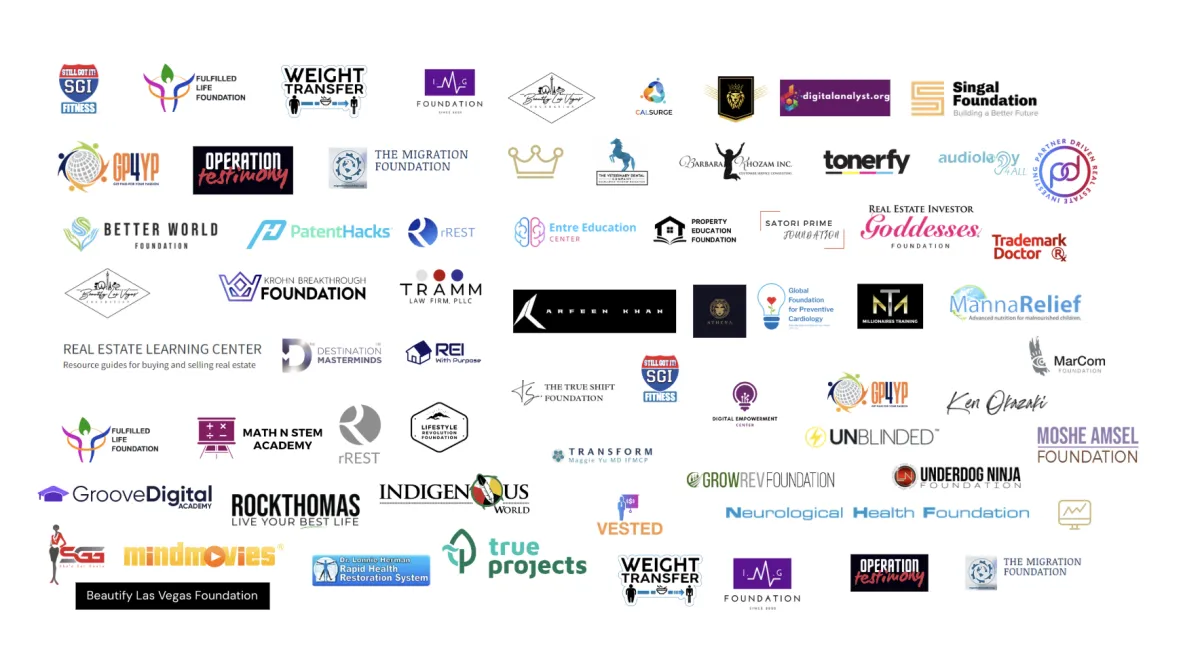
Here are some examples

What This Enables
Properly structured public nonprofits enable:
Access to institutional, government, and foundation funding
Scalable education and outreach
Compliance-first growth
Public visibility with accountability
Long-term program sustainability
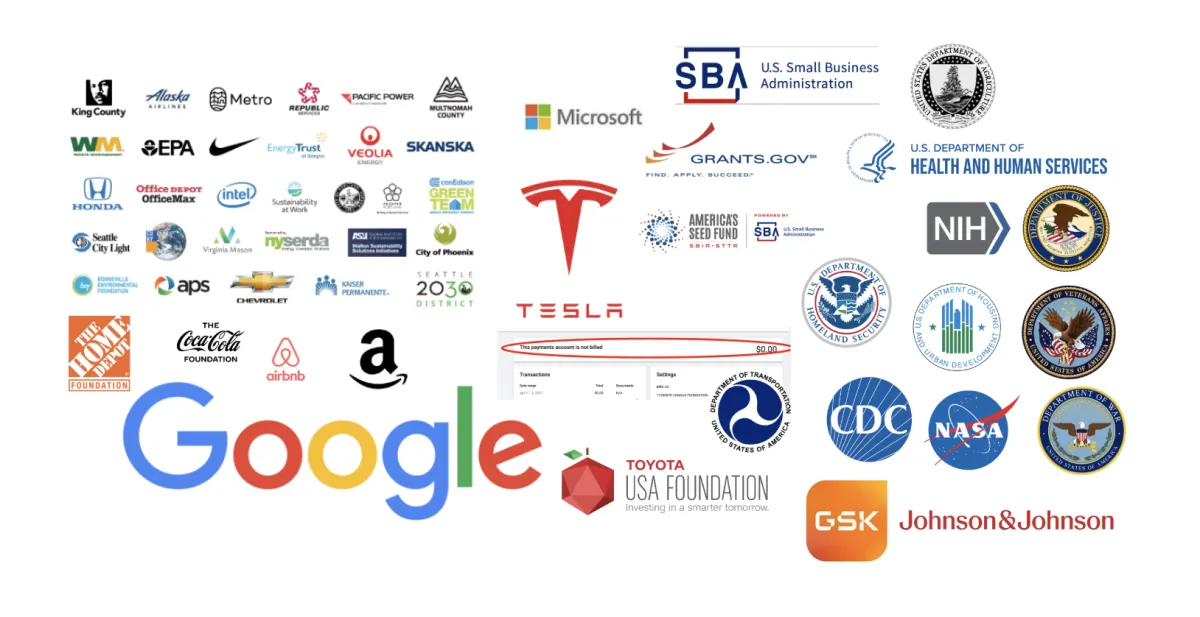
Ownership, equity, and intellectual property remain with their respective holders. Here are examples of corporations, institutions, foundations, and agencies with distribution mandates that fuel nonprofits
Examples of Public Nonprofit Execution
Within the Public Nonprofit framework, the Become A Philanthropist Initiative provides:
Competitive market analysis, mission alignment, and nonprofit regulations
Education and guidance on compliant nonprofit design and governance
Integrative business, intellectual property, estate, investment, and tax architecture
Mission alignment for grant readiness and institutional funding
Technical and grant ghostwriting and investor relations
Matching support between qualified nonprofits and funding sources
Oversight frameworks for reporting, accountability, and continuity
Coordination among interconnected law, tax, and finance teams
Deployment of online assets, digital platforms, publications, magazines
Development and deployment of tech tools, AI platforms, and vibe coding solutions
Operations, marketing, branding, fundraising strategies, and content strategy
Participation is structured.
Not all applicants are accepted.
Every engagement is different.
Explore Participation
If you are considering operating education, research, media, or public programs through a compliant nonprofit structure, you may explore participation through the Institute.
LEGAL
© 2025 - All Rights Reserved, Copyrighted Material. Nonprofits & Foundations c/o Estate Law Training Center - A 501c3 Nonprofit Organization.